• Skip to main content
  • Skip to primary sidebar

Newton Schools

School Consultants in India

  • About Us
  • New Age Schools
    • The Need
    • The Difference
    • Creating new schools
  • Services
    • School Consultants
    • Detailed Project Report
    • School Design
      • Design Planning
      • Site Selection and Evaluation
      • Architectural Design & Drawings
    • School Construction
      • Civil Construction
      • Interiors Execution
      • Turnkey Project Management
      • School Renovation
    • School Operations
      • Outsourced School Operations
      • Safety & Security
      • School Supplies
      • Day to Day Operations
      • Recruitment & Placement
      • Training & Development
      • Workshops & Seminars
    • Change Management
      • Change Strategy
      • Gap Analysis
    • Marketing for Schools
      • School Admissions
      • Advertising & Marketing
      • Branding & Rebranding
      • PR & Media Coverage
    • International Collaboration
  • Blog
  • Projects
  • Contact Us
You are here: Home / Archives for Blog / Designing Schools

Designing Schools

19 Aug 2021 |

CBSE Affiliation: Verifying affiliation status

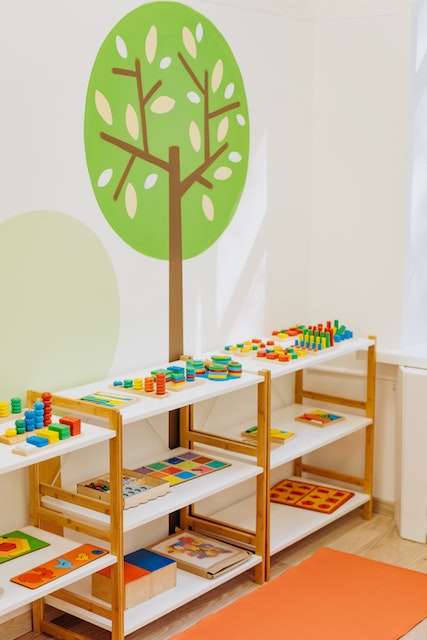
cbse-affliation-statusWhat is the process of verifying CBSE affiliation status of a school? When can a school that wants to be affiliated to the Central Board of Secondary Examinations announce to its parents that it has been affiliated? These questions have been answered recently in a CBSE circular No 11/2021 dated 13.07.2021.


What is the process of verifying CBSE affiliation status of a school?

As per the circular, a link has been provided through which verifying the affiliation status of any school is possible. We have further gone into the link to identify that the verification can be done from here: http://saras.cbse.gov.in/cbse_aff/schdir_Report/userview.aspx
 
As of 19 Aug 2021, the list has 25,835 schools listed that are CBSE affiliated. While the above link shows names of schools that are already affiliated, it is also possible to find out the affiliation status of schools that have not yet been granted affiliation. You can visit the link: http://saras.cbse.gov.in/SARAS/Home/Category_Wise where the application statistics link shows you all the data. The application status of schools is broken down into those that have registered (reg), completed the application (applied), have been affiliated (granted) and those whose applications have not been approved (reject).


When can a school that wants to be affiliated to the Central Board of Secondary Examinations announce to its parents that it has been affiliated?

A school can only use the term ‘CBSE affiliated’ after the affiliation has been granted and can be verified from the links above. The circular further gives examples of terms that cannot be used when CBSE affiliation is in process (status is Registered, Applied or Rejected). Some of the terms that schools cannot use are: “to be affiliated with CBSE”, “CBSE Pattern”, “likely to be affiliated with CBSE”, “running under the aegis of CBSE”, “CBSE course/Curriculum”, “CBSE registered”. We also believe that the terms ‘Proposed CBSE School’ cannot be used in advertising.
Therefore, it is important to plan and build schools that meet the CBSE affiliation criteria, apply for CBSE affiliation in the first year of operations and complete the formalities at the earliest. The process of CBSE affiliation can take 1 to 2 years if everything is in order.
Filed Under: Designing Schools, School Affiliation | Tagged With: cbse, cbse affiliation

16 Aug 2021 |

Setting up a preschool: Approach and philosophies

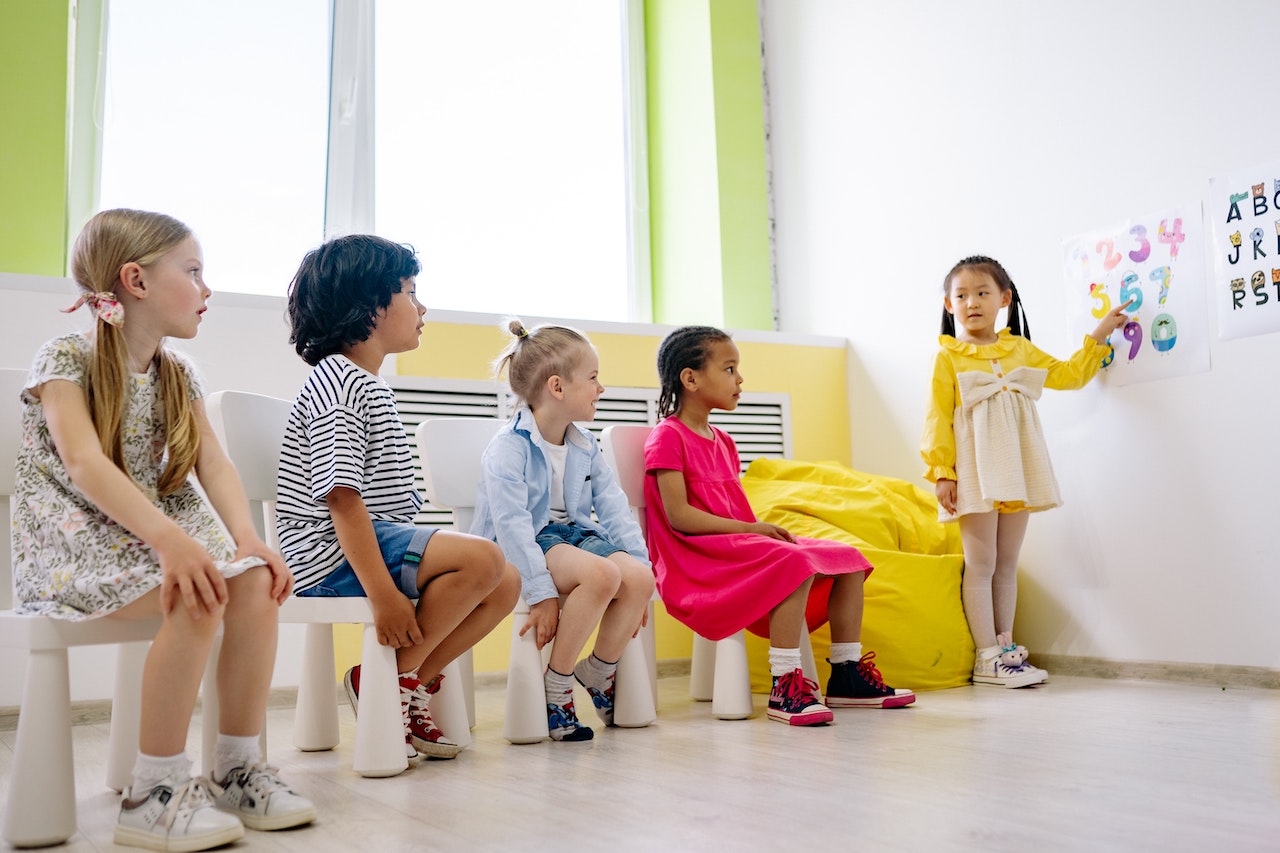
Setting up a preschool is not just about creating a building and building a brand, it is also about the approach and philosophy offered by the preschool.  We have discussed at a high level, decisions that an entrepreneur must consider while setting up a new preschool. We often find entrepreneurs want to shape the atmosphere of the school and take a lot more responsibility in the running of the school. In this post, we present you with options that suit your needs. We also urge you to develop a deeper understanding of early education.

When selecting an approach, you need to consider:

  • children’s interests and capabilities
  • their own interests, skills, capabilities and philosophies
  • the curriculum
  • evidence of children’s learning
  • school and community contexts

setting-up-a-preschoolA guiding framework for this often comes from one’s early educational philosophy. While it is easy to select a philosophy for a preschool, in practice it is a mix of philosophies that best suits the needs of most target audiences. A quick note on some educational philosophies and pedagogies that is recommended reading before setting up a preschool. We find that often when you have been through some of these, you are more articulate about your vision.

Below are some of the links that can kickstart your journey to set up a new preschool.

Kindergarten Method

The word kindergarten comes from the German language. Kinder means children and garten means garden. This philosophy of education rests on four basic ideas: free self-expression, creativity, social participation and motor expression. The curriculum consisted chiefly of three types of activities: (1) playing with the “gifts,” or toys, and engaging in other occupations designed to familiarize children with inanimate things, (2) playing games and singing songs for the purpose not only of exercising the limbs and voice but also of instilling a spirit of humanity and nature, and (3) gardening and caring for animals in order to induce sympathy for plants and animals. All this was to be systematic activity.

https://www.canr.msu.edu/news/why-is-kindergarten-called-kindergarten

https://www.britannica.com/topic/education/Froebel-and-the-kindergarten-movement

Montessori Education

Montessori is a method of education that is based on self-directed activity, hands-on learning and collaborative play. In Montessori classrooms, children make creative choices in their learning, while the classroom and the highly trained teacher offer age-appropriate activities to guide the process. Children work in groups and individually to discover and explore the knowledge of the world and to develop their maximum potential.

https://montessori-nw.org/about-montessori-education

Play-Based Philosophy — Playing to Learn/Learning to Play

Play is one of the most important ways in which young children gain essential knowledge and skills. Opportunities and environments that promote play, exploration and hands-on learning are at the core of effective pre-primary programs. During a typical preschool day, there will be structured and unstructured periods, enabling children to learn at their own rate.

https://www.unicef.org/sites/default/files/2018-12/UNICEF-Lego-Foundation-Learning-through-Play.pdf

Reggio Emilia Approach

The Reggio Emilia Approach® is an educational philosophy based on the image of a child with strong potential for development and a subject with rights, who learns through the hundred languages belonging to all human beings and grows in relations with others.

https://www.reggiochildren.it/en/reggio-emilia-approach/

Waldorf Education Philosophy

Waldorf schools offer a developmentally appropriate, experiential, and academically-rigorous approach to education. They integrate the arts in all academic disciplines for children from preschool through twelfth grade to enhance and enrich learning. Waldorf education aims to inspire life-long learning in all students and to enable them to fully develop their unique capacities.

https://www.waldorfeducation.org/waldorf-education

Bank Street

The Bank Street approach, known as the developmental-interaction approach, recognizes that all individuals learn best when they are actively engaged with materials, ideas, and people, and that authentic growth requires diverse and nurturing opportunities for ongoing social, emotional, and cognitive development.

Teachers and leaders are viewed as facilitators of learning, it is their role to meet students “where they are” to help them develop and realize their unique potential. By combining a deep understanding of human development and educational theory with a disciplined approach to observation and reflection, Bank Street educators provide students with meaningful learning opportunities best suited for their learning and growth.

https://school.bankstreet.edu

If the philosophy is selected before the design and creation of the preschool infrastructure, many changes can be made to the design. This would allow for better usage of space and specific requirements of the selected method can be implemented. Based on the selected philosophy, the choice of learning aids, furniture and equipment in the preschool would also vary.

Over the years, Newton Schools has provided services as project consultants in developing the school concept, marketing strategy, financial projections etc. Our engagements often begin at the concept stage when the school is just an idea. We have also worked in already initiated projects as academic/management consultants defining the curriculum, the teacher training, and recruitments. Our parent company, Newton Services, provides design and build services for school infrastructure.

Contact us today to discuss about your school plans with us.

Other related posts:

  • How to create a preschool that delivers what parents want
  • Premium Pre-Schools: Need and Design
  • The PreSchools Opportunity
  • Reference Project: The Cuddle House

Filed Under: Designing Schools, School Consultants | Tagged With: Bank Street, kindergarten schools, Montessori, nursery schools, Play, preschools, Reggio Emilia, Waldorf

9 Aug 2021 |

Create a preschool that delivers what parents want

How do you create a preschool that delivers what parents want? This question lead us to look into several aspects of creating a preschool.

Walking around any residential area in any city in India, one is able to spot at least half a dozen pre-schools or billboards advertising preschools. How well are they able to deliver what parents need? And how well do they understand their roles as the bridge to primary education? And most importantly, how well are they able to deliver on the promises they make.

What do parents want?

What parents want out of preschools is very different from what they want in a regular school. Their focus is more on child safety, hygiene, social interaction and play.

  • Take care of my children
  • My child should feel safe
  • My child should want to go to school
  • Children should be engaged
  • Children should be engaged with several different activities
  • Learn how to appreciate everything
  • Children should want to learn
  • Children should be excited about their day and school
  • Children should be happy to tell us about their day in school
  • Want a safe environment to grow
  • Encourage my child to be curious, to learn
  • Build the confidence of my children
  • Instil curiosity and want to learn
  • To be able to ask questions
  • To be able to think independently
  • My child should be able to express himself well
  • My child should make friends
  • Children should learn how to interact with others
  • My child should learn how to play with others
  • Help children develop emotionally and socially
  • Help my child express himself
  • Fun, clean safe
  • Welcoming and an open mindset to make children comfortable to foster creativity!
  • Making children learn and have a POV on the alphabet
  • Safety first (sending my child to someone with trust), teachers should be friendly with us and have to be guardian to the kids
  • Basic entertainment without screens like dance, playing, little bit learning
  • Fun and social interaction

preschoolOver the years we have seen multiple versions of such statements researching and understanding parents looking for a preschool to enroll their children. And, of course we have spent several years creating schools that promise these and deliver them. It is a layered understanding of creating a right balance between target parent requirements and the needs of a 21st century education.

At the outset parents will look for safety of their child and the convenience of the school location. From that starting point the rest of the statements become differentiating factors in determining the right school for their children. This differentiation between schools is often layered with how the schools speak about themselves, what the parents see and what they hear from other parents about the school.

Some of these observations are conscious, others subconscious.

  • Are the spaces safely designed? Are they welcoming, are they engaging? Is there diversity?
  • Who is in the school? Do the teachers and the head of the school inspire confidence in their ability to take care of my child?
  • How does the preschool acknowledge my child is special? Is the school geared to give adequate attention and care to my child

What makes the preschool better suited to the needs of each child?

It is not possible to address all individual needs of parents as often they can be contradictory.
E.g. Some parents will want a digital element in the school others will want nothing to do with it

Importance of research

nursery-schoolWhen we partner with clients, our projects often involve local area research. We delve into requirements such as these and identify the higher level needs of parents. Only by understanding where the requirements of the parents are coming from can one seek to fulfil them effectively. And as a result serve the needs of the larger target group. Often there are instances where parents need help in managing the behaviour of their children and this help comes from the environment set up in the school.

New entrepreneurs often identify one set of parents and build a school around their needs. Sometimes it is the needs they missed when they sought a preschool for their children. In other instances it is the perceptions of their peer group. It runs the risk of being a limited view. When preschool-teachers set up the school, they may have a great academic plan but will miss out on the administrative or operational efficiencies. Each of these runs the risk of resulting in a siloed view of the needs of the market.

We have created such an appropriate environment across diverse geographies. We are quickly able to understand the root solution that will address diverse needs of parents. We are also able to define the linkages between these solutions and the school brand, vision and mission.

Our approach is to help the entrepreneur articulate their vision of the school and map out how best it suits the market requirements. We then draw inspirations from developments in the sector across the world. For our projects we need regular interactions with architects, designers, academic counsellors, school founders, teachers, parents and vendors. This means that we have a continuously updated list of vendors and school needs. We also have a historical perspective on what worked and what didn’t. That allows us to deliver insights quickly.

A school where a child is safe, happy, socially comfortable and learning/developing according to their age. The ability to deliver this, to deliver the high level requirements of the target parents and to pull the triggers will enable those parents to see value in the school promise. That will result in the success of the school.

Over the years, Newton Schools has provided services as project consultants in developing the school concept, marketing strategy and the financial projections. Such engagements begin at the concept stage when the school is an idea and perhaps even the land has not been acquired. We have also worked in already initiated projects as academic/management consultants defining the curriculum, the teacher training and recruitments. And in other projects as management consultants building a bridge between school owners and everyday operations of schools.

Post to follow: Approaches to early years education.


Other related posts:

  • Premium Pre-Schools: Need and Design
  • The PreSchools Opportunity
  • Reference Project: The Cuddle House

Filed Under: Blog, Designing Schools, School Consultants | Tagged With: early years, kindergarten schools, nursery schools, pre-schools, preschools, school design

4 Aug 2021 |

Planning CCTV for schools

A question that we often face is about planning the CCTV system for schools. When a new school is being constructed or an existing school is being renovated, a CCTV system needs to be planned. We have planned and installed CCTV systems in many schools and have the benefit of seeing them work over a period of time. This article will summarise our experience and views on the same.

Are CCTV cameras mandatory in schools?

planning-cctv-for-schoolsWhile the CBSE affiliation bye laws themselves are silent on the topic of CCTV, they do mention several indirect points connected to the topic of safety. The bye laws direct schools to follow the National Building Code and the School Safety Policy issued by the National Disaster Management Authority, along with a few other relevant policies and documents. These codes and guidelines, and state laws make it mandatory to have CCTV coverage in ‘vulnerable areas’ of schools, however, that is no guideline that all areas, including classrooms need to be covered.

Should schools have CCTV camera’s inside classrooms?

This is a much debated topic. In most organizations, employees do not like being directly monitored by CCTV while doing their work. In a classroom with only 1 teacher, the teacher feels directly monitored and feels it is an invasion of her/his privacy. It restricts their freedom to run their classes as they wish and the culture then lacks trust.  On the other hand, school administration often feels that having a CCTV camera in the classroom will ensure safety and security of students.  One view on this is the following:

  • In cities and developed areas where the staff is well qualified, trained and motivated, it is better to avoid CCTV cameras in the classrooms. If we can’t trust our teachers, who can we trust then? Students in classrooms are monitored by teachers, and they too deserve that much freedom to negotiate their time with their peers without constantly being monitored.
  • In some scenarios, like in pre-primary sections or in classrooms that have expensive equipment, CCTV cameras could be installed.
  • If the school is located in areas with high attrition of teachers, or in areas where security of kids is a key concern, only then should the administrators consider planning a CCTV in classrooms
  • Besides classrooms, all corridors and outdoor spaces should have CCTV coverage.

How do we plan a CCTV system for a school?

In our experience, a well planned CCTV system is effective not as a deterrent but as a post-incident analysis tool. While we may have eyes on monitors, the possibility of preventing incidents while they are happening is rare and difficult. Therefore, the following points can be kept in mind while designing the CCTV system for a school:

  • Cover all common areas such as corridors, lobbies, entrance and exit gates and try to cover open areas like playgrounds when feasible. Based on the schools locations, specific cameras may be planned to cover boundary walls, parking lots and basements.
  • Connect all the camera’s to a central place like a security room or in the admin offices.
  • Provide for multiple viewing displays at places like the guard room (for outdoor cameras only), reception (for indoor cameras only) and the Principal’s room / meeting room (for reviewing incidents after authorised access).
  • The access to all recordings must be password protected, with the password closely guarded by the head of school and / or authorised person.

Technical specifications to keep in mind while planning a CCTV system for a school

While detailed drawing and technical specifications can only be made specific to a project, here are some key points to consider:

  • Plan for an IP based system with POE cameras- it will avoid the need to provide a separate power connection to each camera, reduce wiring costs and increase reliability.
  • The NVR (network video recorder) should have extra capacity to add camera’s when  required. It should also have enough storage to store all recordings for at least 1 month.
  • The NVR and connected switches should be powered by a UPS system only, with sufficient backup to outlast power outages.
  • In addition to providing wiring at planned camera locations, leave additional spare wires at  locations where cameras might be required in the future.
  • Good brands to use for CCTV are Bosch and Honeywell, while brands such as Hikvision and CP Plus are common as they are slightly less expensive.


There are many other considerations while planning a good CCTV system for a school. Do reach out to us if you have any questions.


Filed Under: Designing Schools, School Consultants | Tagged With: CCTV in schools, school safety, school secutiy

19 Jul 2021 |

The PreSchools Opportunity

The preschools opportunity, post pandemic, is large and needs to be explored.

Most of the last 18 months have been spent under lockdown or uncertainty over the future of work, education and normal life. The reopening of the country after the first lockdown and the ensuing second wave has created more uncertainty in the future easing of restrictions for regular business. During this time work from home has been forced upon almost everyone. Schools have also tried online schooling / hybrid schooling. It has been difficult. Parents get to spend more time with their children but they must manage their work and the online sessions of their children. 


Need for parents

Beyond a certain time it becomes difficult to manage both effectively and efficiently. It is easier with older children who can sit on their computers unattended. But for preschoolers it has been particularly difficult. They have lost a crucial year of social interaction and education. Parents have seen little benefit in enrolling their children in preschools for a year of online education. It can be very challenging for a parent to get their children to sit at a computer for the duration of a class. Several preschoolers have missed out on school education altogether. 

So what now? After the lockdown, working parents will need good preschools, even when they are working from home (Assuming working from home continues for them). In such a scenario the preschool needs to be close to their homes. For preschool education parents will continue to prefer proximity, safety and comfort for their children. That we feel is an opportunity.

The PreSchools Opportunity

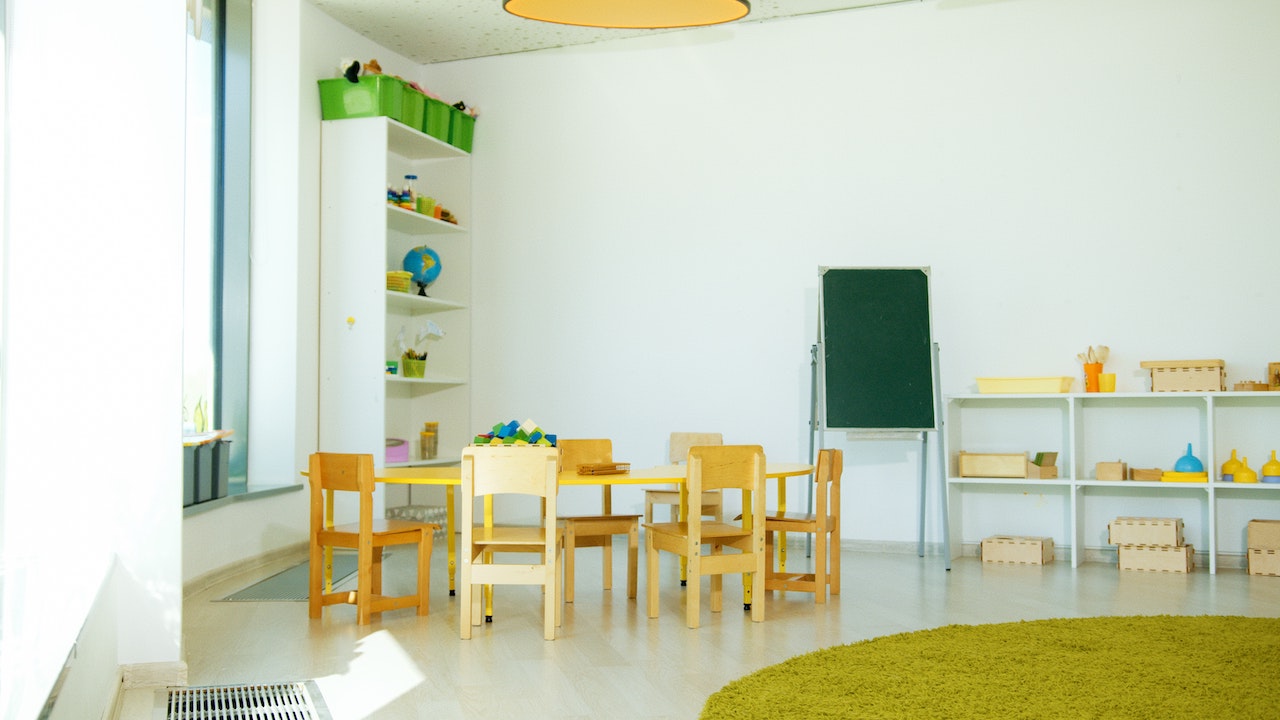
Premium preschools that offer engagement, safety and security. More experiential engagement centres than just classroom based schools. We had already seen a shift towards premium preschools before the covid pandemic and we feel it will be more so now. Over the last few years we have overseen the launch of premium pre-schools offering diverse experiential learning. Specially designed engagement zones as opposed to traditional classrooms, that children are raring to explore their spaces. Spaces that are designed keeping in mind social engagement of groups of multiple sizes. Spaces that are flexible to handle multiple use, that can be safe even when special norms such as social distancing or other public health measures are required.

preschools-opportunityGiven the needs of a 21st century education, we have always laid great importance on flexibility, innovation and creativity even in designing schools. Schools of this nature are better able to handle change. Such schools set their infrastructure in place, at the same time they also develop their team. The leadership is highly qualified with experience in imparting a 21st century education. Also a focus on growing the rest of the team with tactical hires that bring their expertise, knowledge and experience. Key roles are assigned responsibilities that meet the needs of the school, ones that build collaborative and constructive relationships.

Over the years, Newton Schools has provided services as project consultants in developing the school concept, marketing strategy and the financial projections. Such engagements begin at the concept stage when the school is an idea and perhaps even the land has not been acquired. We have also worked in already initiated projects as academic/management consultants defining the curriculum, the teacher training and recruitments. Our parent firm, Newton Services has executed projects in civil construction and interiors to make the concepts come alive.   And in other projects as management consultants building a bridge between school owners and everyday operations of schools.

Contact us for more information here.

Filed Under: Designing Schools, Future Schools | Tagged With: elementary schools, kindergarten schools, nursery schools, preschools

  • Page 1
  • Page 2
  • Page 3
  • Page 4
  • Go to Next Page »

Primary Sidebar

The Newton Schools Blog

With over 25 years of working with schools, Newton has gained substantial insights into every aspect of planning, creating and operating schools - be it a preschool, a large boarding school or a innovative K-12 school in a city. We would like to share these insights and our experience with edu-entrpreneurs, educators and all our partners.

Signup for the NS Blog

Loading

Search

Contact Us


Phone

+91 87663 05479

Email

mail [at] newtonschools.in

About Us

As consultants for school projects in India, Newton Schools is focused on perfecting learning environments and creating amazing schools for children. We have executed several greenfield school projects end-to-end. We are based in Gurugram, India – the new city that has seen a large number of progressive and innovative new schools constructed over the past 15 years.

Know More

Quick Links

Home
About Us
The need for 21st century schools
Creating new schools
School consultants
Projects Executed

Signup for the Newton Schools Blog

The NS Blog offers insights gained over the past 25 years in planning, creating and operating schools. Signup for free here:

Loading

· Copyright © 2026 · NEWTON SCHOOLS Our Businesses: · NEWTON SERVICES